

Diverse Diets: The Path to Healthier Aging in China
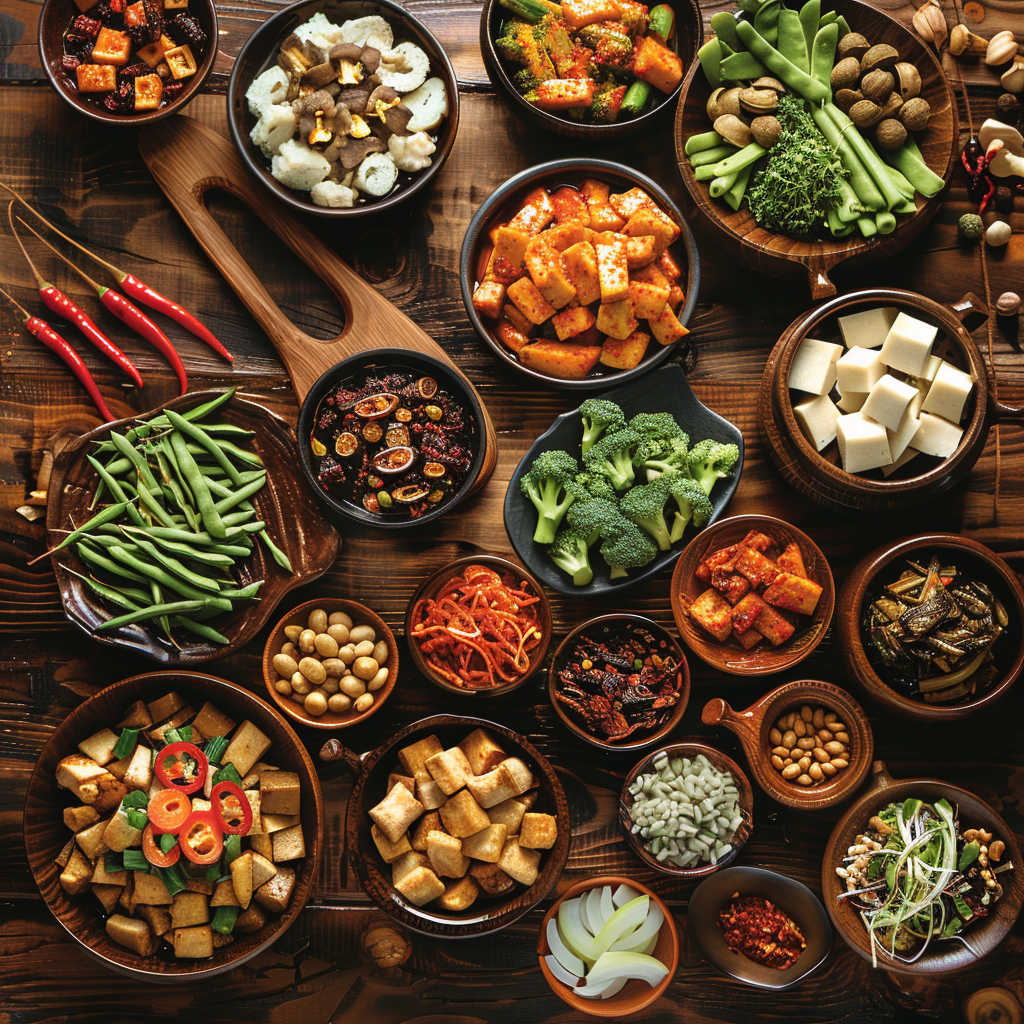
Eating a variety of foods is more than just a pleasure; it's a key to better health, especially as we get older. A recent study from China brings this into focus by revealing that older adults who enjoy a diverse diet tend to be in better health. By examining over 5,700 individuals aged 65 and above, researchers discovered that those who consumed a wide range of foods scored higher on health assessments. These assessments looked at everyday abilities, mental sharpness, and more, showing a clear link between what we eat and how well we age.
Interestingly, the study also found that the benefits of dietary diversity are especially pronounced in the younger segment of the elderly population. In other words, individuals closer to 65 showed more significant health improvements from a varied diet compared to those who are older. This insight suggests that adopting a diverse diet earlier in our senior years could have lasting positive effects on our health.
Encouraging a varied diet isn't just about adding years to life; it's about adding life to those years. The findings argue for the importance of dietary assessments and support services to help older adults maintain a nutritious and diverse diet. Such strategies could ensure that the golden years are not only longer but also filled with better health and vitality. The study advocates for this approach as part of a broader lifestyle that values nutritional richness and physical well-being.
The effects of dietary diversity on health status among the older adults: an empirical study from China
Published in BMC Public Health. Yali Zhu et al.
Abstract
Background: Dietary diversity is an indicator of nutrient intake among the elderly. Previous researches have primarily examined dietary diversity and the risks with chronic and infectious disease and cognitive impairment, limited evidence shows the association between dietary diversity and the overall health status of specific populations with a heterogeneity analysis. This study aimed to probe the effects of dietary diversity on health status among Chinese older adults.
Methods: There were 5740 sample participants aged 65 and above selected from the Chinese Longitudinal Healthy Longevity Survey, among which 3334 samples in 2018 wave and 2406 samples in 2011 wave. Dietary diversity was assessed by Dietary Diversity Score ranged from 0 to 9, the higher the score, the better dietary diversity. Health status was assessed into healthy, impaired and dysfunctional state by three indicators: Activities of Daily Living, Instrument Activities of Daily Living and Mini-Mental State Examination. Multinomial logistic regression was employed to assess the effects of dietary diversity on the health status among the elderly. Heterogeneity analysis between different groups by age was further discussed.
Results: Older adults with better dietary diversity are in better health status, the mean dietary diversity score for healthy group was higher than that of impaired and dysfunctional groups (In 2018 wave, the scores were 6.54, 6.26 and 5.92, respectively; and in 2011 wave, they were 6.38, 5.93 and 5.71, respectively). Heterogeneity analysis shows that the younger groups tend to have more diversified dietary and be in better health status. Dietary diversity was more significantly associated with health status of the younger elderly (OR, 1.22, 95% CI, 1.04-1.44, p < 0.05) than the older elderly (OR, 1.01, 95% CI, 0.37-2.78, p > 0.05) in 2018 wave; and in 2011 wave, dietary diversity was more significantly related to health status among the younger elderly (OR, 1.62, 95% CI, 1.26-2.08, p < 0.001) than the older elderly (OR, 0.08, 95%CI, 0.31-1.94, p > 0.05).
Conclusions: Better dietary diversity has positive effects on health status and is more significantly related to the younger elderly than the older elderly. So interventions including available dietary diversity assessment, variety of dietary assistance services in daily life, keeping nutrient digestion and absorption capacity for the venerable age might benefit to ensure the effects of dietary diversity on health status among older adults especially in maintaining intrinsic ability and physical function. In addition, healthy lifestyle should also be recommended.


Bring preventive care to your clinic







© Longevity Artificial Intelligence. All rights reserved.