

Eating Patterns and Aging: How Meal Timing and Frequency Affect Your Biological Clock
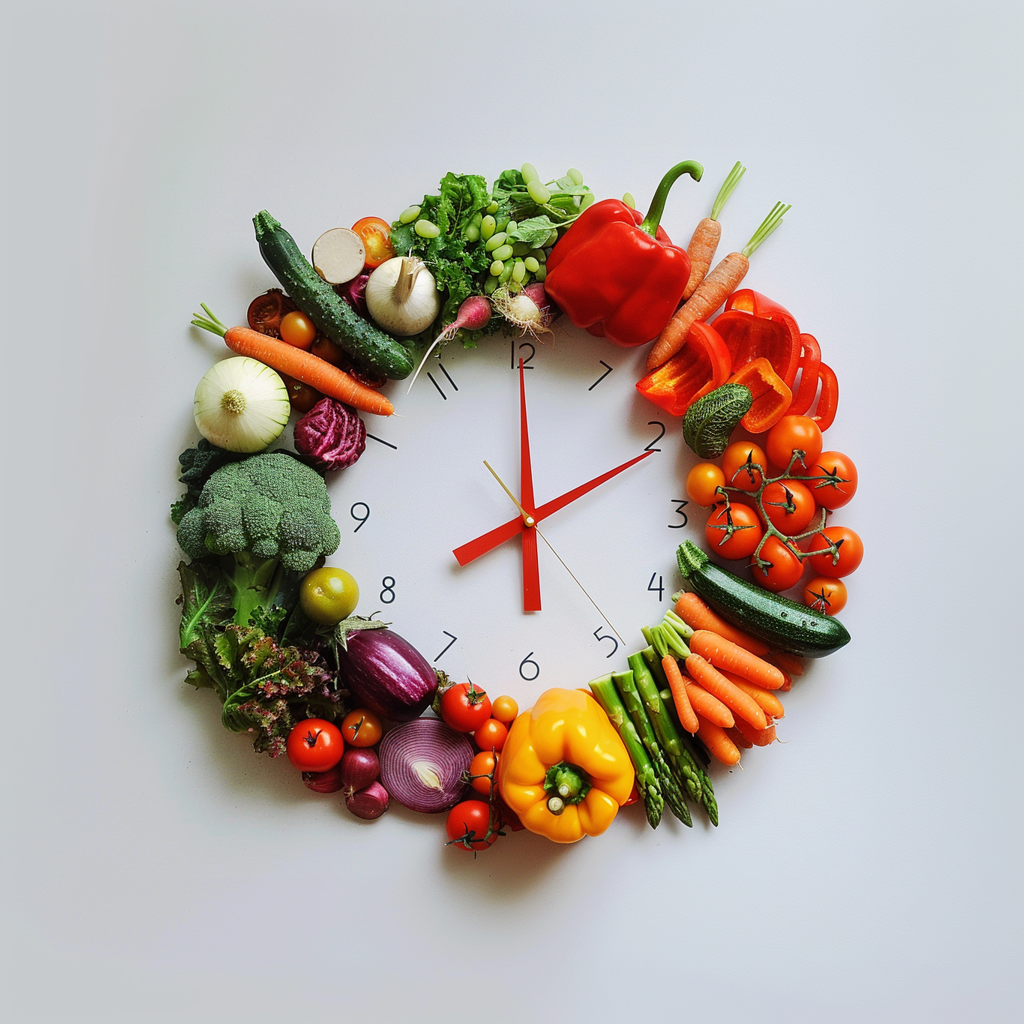
Recent research reveals that when and how often you eat can significantly influence your biological aging. By analyzing data from over 16,500 adults in the U.S., researchers found that eating your first meal later in the day and having fewer meals are linked to faster biological aging. Conversely, a higher frequency of meals is associated with slower aging. Biological aging was assessed using phenotypic age, a measure that reflects overall health better than chronological age.
Interestingly, the study highlighted the role of dietary inflammation in this process. Inflammation was measured using the Dietary Inflammatory Index (DII), which quantifies the inflammatory potential of a diet. The results showed that the timing of the first meal and meal frequency affected biological aging primarily through their impact on dietary inflammation, rather than metabolic factors like blood sugar or cholesterol levels.
These findings suggest practical strategies for healthier aging by adjusting eating habits. Consuming meals more frequently and starting the day with an earlier meal can help reduce inflammation and slow down biological aging. This research underscores the importance of considering not just what we eat, but also when and how often we eat to promote longevity.
Article Information
Association of chrononutrition patterns with biological aging: evidence from a nationally representative cross-sectional study
Published in Food Funct. Qianyu Zhang et al.
Abstract
Previous studies mostly focused on the benefits of caloric restriction and fasting on longevity. However, whether the timing and frequency of eating affect aging remains unclear. Here, we investigated the associations between chrononutrition patterns and biological aging, and explored whether and to what extent dietary inflammation mediated this association. 16 531 adults aged 20 to 84 years from the National Health and Nutrition Examination Survey were collected. Chrononutrition patterns were determined with two 24-hour dietary recalls. Phenotypic age was calculated to reflect the biological aging status. The dietary inflammatory index (DII) was used to assess the dietary inflammation. After adjustment of the survey weight and multiple covariates including total energy intake, participants in the third tertile of the time of the first meal (mean 10 : 26) exhibited more advanced biological age (β 0.64; 95% CI, 0.26-1.00) and a higher incidence of accelerated aging (odds ratio (OR) 1.25; 95% CI, 1.06-1.47) compared to those of the first tertile (mean 6 : 14). Higher eating frequency was associated with delayed biological aging in both multivariable linear (β -0.31; 95% CI, -0.44 to -0.19) and logistic regression model (OR 0.90; 95% CI, 0.85-0.95). Furthermore, we found that DII rather than metabolic factors mediated the inverse association between eating frequency and biological aging (mediation proportion 24.67%; 95% CI, 19.83%-32.00%). Our findings demonstrated the association between chrononutrition patterns and biological aging among the US general population and the potential role of dietary inflammation in this association, suggesting that modifying chrononutrition patterns may be a practical and cost-effective strategy for combating aging.


Bring preventive care to your clinic





© Longevity Artificial Intelligence. All rights reserved.