

Active Steps to Resilience: Enhancing Physical Activity for Frailty Prevention in Older Adults
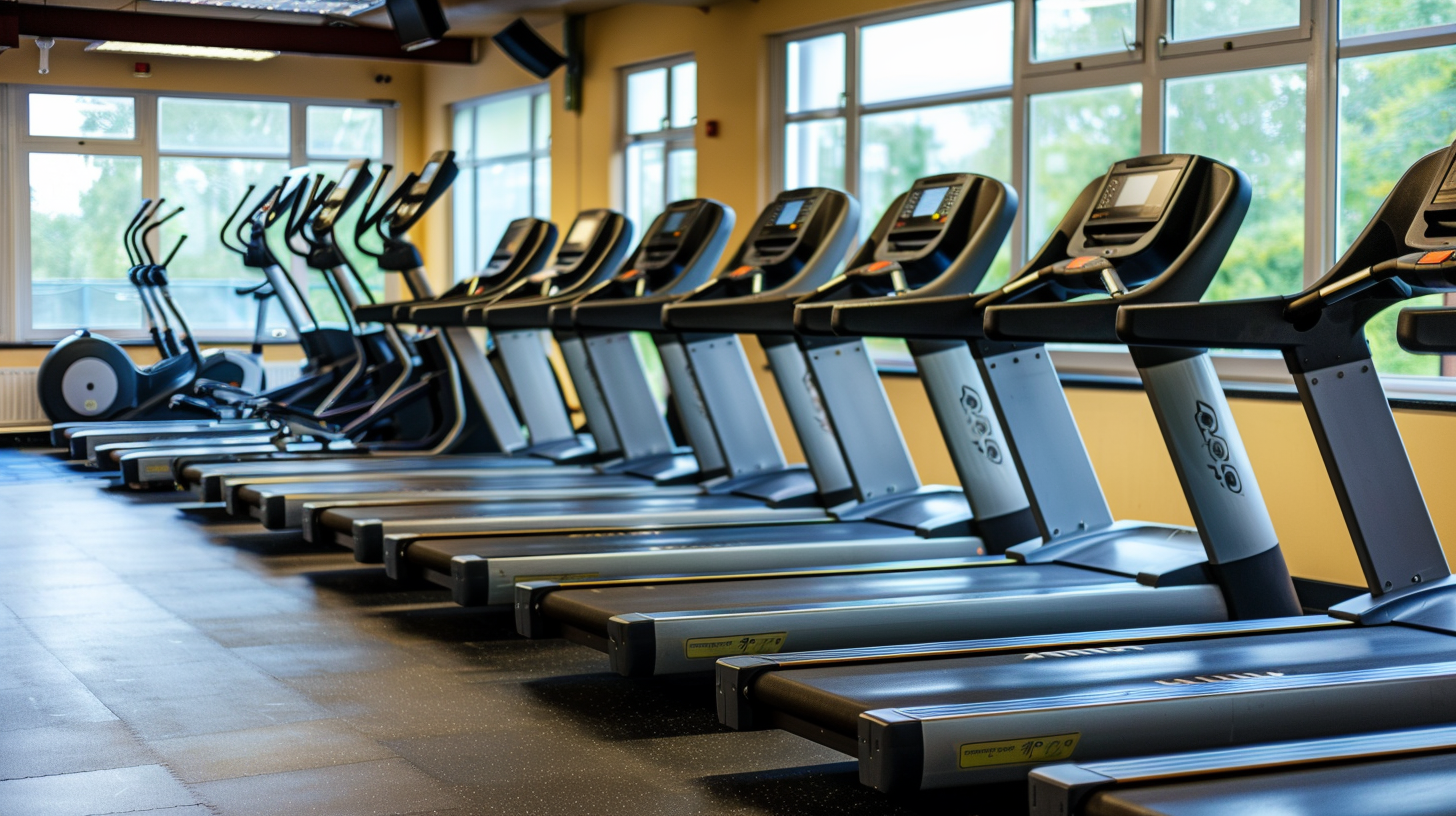
As Japan's elderly population grows, the quest to maintain their health and independence becomes increasingly vital. Recent findings underscore the significant role of physical activity in preventing frailty among older adults who are at risk. Frailty, a common challenge in aging, can be mitigated by engaging in regular, moderate physical activity, which enhances overall energy expenditure and reduces the likelihood of deterioration.
This research pinpoints how different levels of daily activities, specifically those that elevate total energy expenditure, contribute to a reversal from a pre-frail to a robust state over two years. It highlights the crucial need for continuous movement, even at lower intensities, as a preventive tool against frailty, contrasting with the potential stagnation or worsening of health if these activities are not pursued.
The implications of this study are profound for public health strategies. Encouraging active living in community settings can significantly boost the health trajectories of aging populations, providing them with a more vibrant, engaged, and independent later life. This approach not only benefits the elderly but also reduces the healthcare burden on society, making it a win-win scenario for individuals and policymakers alike.
Article Information
Association between objective physical activity and frailty transition in community-dwelling prefrail Japanese older adults
Published in J Nutr Health Aging. By Yu-Shan Lee et al.
Abstract
Background: Frailty transition is common, and increased physical activity can prevent it. An objective assessment of physical activity could eliminate bias and provide more precise information on the association between frailty transitions and physical activity.
Objectives: This study aimed to examine the association between objective physical activity and frailty transition in community-dwelling prefrail Japanese older adults.
Design: This is a retrospective cohort study based on the National Institute for Longevity Science-Longitudinal Study of Aging data.
Participants: A total of 387 community-dwelling older adults with prefrailty were enrolled (mean age 72.0 years).
Measurements: Frailty was assessed using modified components of the Cardiovascular Health Study criteria, and frailty statuses were reassessed two years later. The frailty transitions were categorized into three groups: deterioration, persistence, and reversal. Participants wore a uniaxial accelerometer to assess the physical activities. Differences in baseline characteristics according to frailty transitions were assessed. To compare the baseline objective physical activities based on frailty transition, a general linear model and a logistic regression model were used.
Results: Among the 387 participants, 40 (10.3%) deteriorated to frailty, 97 (25.0%) reversed to robust, and the majority (n = 250, 64.6%) remained prefrail after a 2-year follow-up. Using the general linear model, after adjusting for other factors, total energy expenditure (TEE) in the reversal group was significantly higher than that in the deterioration and persistence groups. No differences in TEE were observed between the persistence and deterioration groups. No significant differences existed in the numbers of daily steps, exercise energy expenditure (EEE) and physical activity with different intensity among these three groups. The logistic model also showed a significant association between TEE and the reversal of frailty.
Conclusion: Frailty transitions were common in the Japanese prefrail population. This study showed that a higher TEE was positively associated with frailty reversal in prefrail older adults. Promoting proactive programs for older adults to increase physical activity could help them stay healthy and prevent frailty deterioration.


Bring preventive care to your clinic





© Longevity Artificial Intelligence. All rights reserved.