

Fostering Active Aging: The Influence of Emotional Support in the Elderly
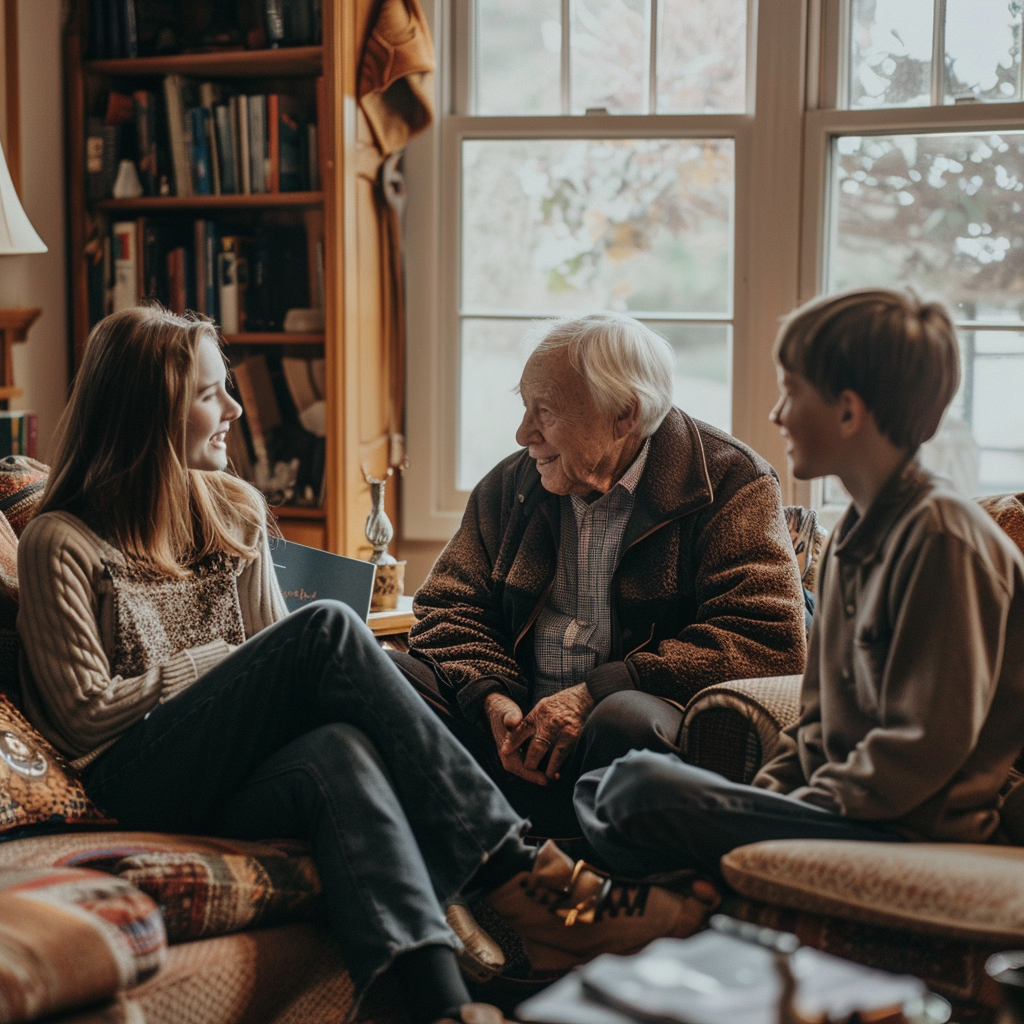
Emotional support within family and community settings is pivotal for promoting active aging among the elderly in China. A comprehensive analysis based on data from the Chinese Longitudinal Healthy Longevity Survey reveals that emotional support not only boosts psychological resilience but also actively contributes to the overall well-being of older adults. Unlike general family support, which may not always correlate positively with active aging, emotional nurturing specifically fosters an environment conducive to physical and mental health.
Further investigation shows that psychological resilience acts as a bridge that enhances the positive effects of emotional support on aging actively. Additionally, the moderating role of community support underscores the complex interplay between various forms of social support and their cumulative impact on aging. This suggests that targeted interventions aimed at bolstering emotional connections within families and communities could substantially improve the aging process.
By integrating emotional and community support, strategies can be developed to enhance the quality of life and extend the health span of the elderly. This underscores the necessity for policies and programs that foster robust support networks, ensuring that older adults receive the emotional backing needed to age with dignity and vitality.
Article Information
The impact of emotional support on active aging among the elderly in China
Published in Acta Psychol (Amst). Yin Sun et al.
Abstract
This study explores the role of family and community support in promoting active aging among the elderly in China, utilizing data from the seventh wave of the Chinese Longitudinal Healthy Longevity Survey. We analyzed how family support and psychological resilience contribute to active aging. Our findings indicate that while general family support shows a negative correlation with psychological resilience and active aging, emotional support from the family positively influences both. Additionally, psychological resilience is a partial mediator in this relationship, with community support as a moderator. The results suggest that interventions to increase emotional support from family and community could significantly enhance active aging.


Bring preventive care to your clinic





© Longevity Artificial Intelligence. All rights reserved.