

Cognitive Reserve: Key to Better Mental and Physical Health in Sardinia's Elderly
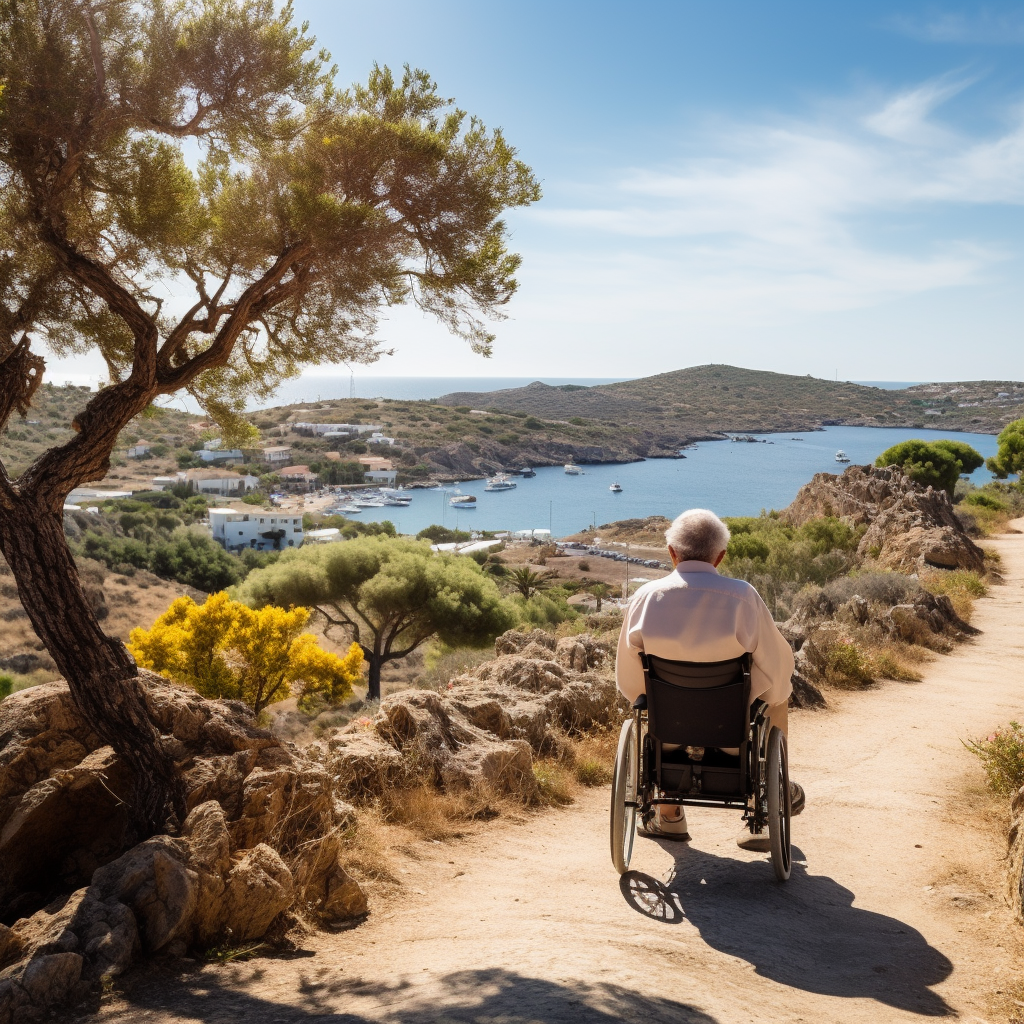
Exploring Cognitive Reserve in Sardinia’s Blue Zone: The study investigates the role of cognitive reserve in the functional and mental health of older adults in Sardinia's Blue Zone, an area known for its high longevity. Cognitive reserve refers to the brain's ability to improvise and find alternate ways of completing tasks. Researchers examined how cognitive reserve influenced physical activity and psychological well-being, particularly in relation to depression.
Insightful Findings from a Robust Study: The research involved 120 older adults, assessing their motor skills, cognitive reserve, overall cognitive functioning, and depressive symptoms. It found that a higher cognitive reserve was significantly linked to better motor efficiency and fewer depressive symptoms. Intriguingly, the study also revealed gender differences, with males generally showing better motor efficiency and cognitive reserve.
Implications for Aging and Health: This research underscores cognitive reserve as a vital component in promoting health and quality of life in the elderly. It highlights the need for interventions that enhance cognitive reserve, potentially offering new avenues for improving mental and physical health in aging populations.
Article Information
Psychiatr Q.Maria Chiara Fastame et al.
Abstract
The main purpose of this study was to examine the mediating role of cognitive reserve in the relationship between functional health (expressed through the amount and intensity of performed physical activity objectively assessed using wearable accelerometers) and psychological well-being (i.e., assessed in terms of self-reported depressive signs) of older people living in an area of exceptional longevity, the so-called Sardinian Blue Zone. A further goal was to investigate the impact of gender on the cognitive reserve and physical health of our participants, using global cognitive functioning as a covariate. A battery of tests assessing motor efficiency, cognitive reserve, global cognitive functioning, and self-reported depressive symptoms was individually presented to 120 community dwellers (Mage = 82 years, SD = 8.4 years) of the Sardinian Blue Zone. Significant associations were found between cognitive reserve, motor efficiency, and self-reported depressive signs. Moreover, three mediation analyses documented that distinct indexes of cognitive reserve and motor efficiency explain 27.2-31% of the variance in the self-reported depression condition. Following this, it was also found that people with scarce cognitive reserve tended to exhibit significant signs of depression and showed worse motor abilities. In addition, after controlling for the effect of global cognitive functioning, motor efficiency, and cognitive reserve were generally more preserved in males than in females. Overall, these findings suggest that cognitive reserve is a compensatory resource that contributes significantly to the enhancement of health-related quality of life in the last decades of life.


Bring preventive care to your clinic





© Longevity Artificial Intelligence. All rights reserved.