

The Interplay of Mind and Body: Insights from the Sardinian Elders
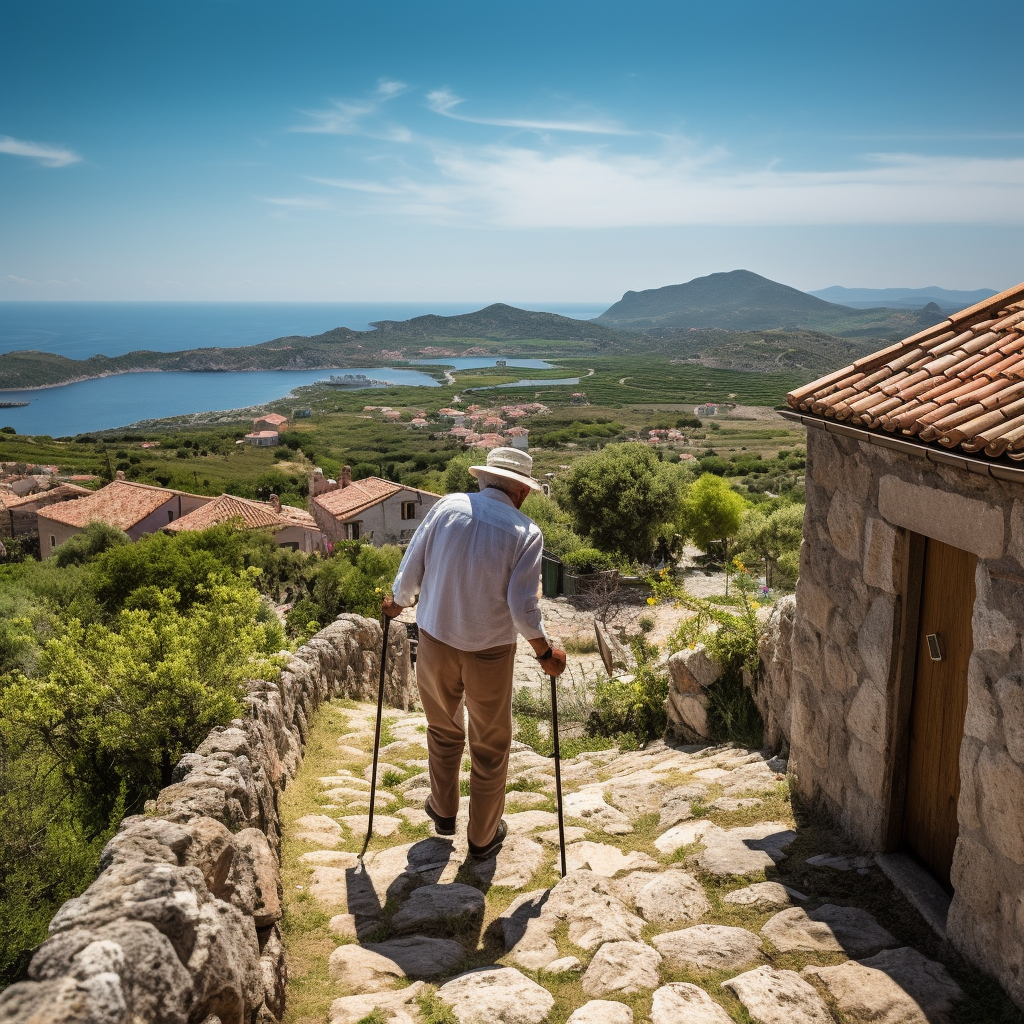
Exploring the intricate connection between mind and body, this research delves into how physical wellness influences cognitive health in the elderly. The study focuses on individuals from the Sardinian Blue Zone, a region renowned for its residents' exceptional longevity. The researchers gathered data from 120 older adults aged between 67 and 101, scrutinizing their cognitive functioning and physical health. They employed a range of tests to assess cognitive reserve - the brain's resilience to aging and disease - and physical reserve, gauged through objective measures like accelerometer-derived data.
The findings reveal a fascinating link: cognitive reserve, physical health, and physical reserve all significantly impact cognitive efficiency. Essentially, the study suggests that a combination of strong mental resilience and good physical health contributes to better cognitive functioning in older age. This relationship is further illuminated through mediational analyses, which indicate that both cognitive and physical reserves play pivotal roles in maintaining cognitive health.
In essence, this research highlights the importance of a holistic approach to aging, emphasizing that mental and physical wellness are deeply interconnected. It underscores the value of maintaining physical activity and mental sharpness as we age, offering insights into how we might better support cognitive health in our later years.
Article Information
Cognitive Reserve, Physical Reserve, and Cognitive Efficiency of Older People Living in the Sardinian Blue Zone. An Exploratory Study
Published in Journal of Applied Gerontology. Maria Chiara Fastame et al.
Abstract
This study mainly intended to disentangle the role played by physical reserve as a mediator of the relationship between cognitive reserve and global cognitive functioning in older people aging well. A sample of 120 67-101-year-old community-dwellers was recruited in the Sardinian Blue Zone, an area characterized by the extreme longevity of its inhabitants. Each respondent completed a battery of tests examining cognitive functioning, perceived physical health, cognitive reserve, and physical reserve (objectively assessed through accelerometric-derived measures). Significant associations were found among measures of cognitive reserve, physical reserve, perceived physical health, and cognition. Besides, two mediational analyses pointed out that physical reserve and distinct indexes of cognitive reserve explained 18% and 32% of the variance associated with global cognitive functioning. In conclusion, the combination of high cognitive reserve and more preserved motor functioning seems to contribute to the maintenance of healthy cognition in older people aging well.


Bring preventive care to your clinic





© Longevity Artificial Intelligence. All rights reserved.